
High blood sugar: prediabetes, type 2 diabetes, and how nutrition brings it down
The short answer
- About 1 in 3 US adults has prediabetes (an A1C of 5.7–6.4% or fasting glucose of 100–125 mg/dL), and most don’t know it.
- It’s very responsive to change: losing about 7% of body weight with regular activity cut the risk of type 2 diabetes by 58%.
- Type 2 diabetes can go into remission for some people. The more weight lost, the better the odds, and it lasts only as long as the weight stays off.
- Day to day: fiber-rich carbs, fewer sugary drinks and refined starches, protein and vegetables at every meal, and a short walk after eating.
What causes high blood sugar?
After you eat, insulin moves sugar (glucose) out of the blood and into your cells. With insulin resistance, the body has to make more and more insulin to do the same job. Blood sugar creeps up, first into the prediabetes range, then, if the pancreas can’t keep up, into type 2 diabetes. The main drivers are excess fat in the abdomen and liver, inactivity, poor sleep and genetics. It’s the same insulin resistance that drives fatty liver, which is why the two so often appear together.
About 1 in 3 American adults has prediabetes, and roughly 8 in 10 of them don’t know it.
This page covers prediabetes and type 2 diabetes. Type 1 diabetes is an autoimmune condition with different care.
What your numbers mean
| Test | Normal | Prediabetes | Type 2 diabetes |
|---|---|---|---|
| A1C (3-month average) | Under 5.7% | 5.7–6.4% | 6.5% or higher |
| Fasting glucose (mg/dL) | Under 100 | 100–125 | 126 or higher |
| 2-hour glucose tolerance test (mg/dL) | Under 140 | 140–199 | 200 or higher |
Ranges from the American Diabetes Association. A diabetes diagnosis needs confirmation by your doctor, usually with a repeat test.
Prevention and remission are real
In the Diabetes Prevention Program, people with prediabetes who lost about 7% of their body weight and did 150 minutes of activity a week were 58% less likely to develop type 2 diabetes than those who received standard advice, a bigger effect than the drug metformin.
For people who already have type 2 diabetes, remission is possible. It is defined as an A1C below 6.5% at least three months after stopping all glucose-lowering medication. It isn’t a cure: blood sugar can rise again, so it still needs checking regularly.
- The amount of weight lost is what matters most. A 2025 analysis of 22 randomized trials found that each 1% of body weight lost raised the chance of remission by about 2–3 percentage points. At one year, about 5% of people who lost less than 10% of their weight were in remission, about half of those who lost 10–19%, and about 7 in 10 of those who lost 20–29%.
- The landmark trial, DiRECT, used a medically supervised low-calorie formula diet followed by food reintroduction and ongoing support, in people diagnosed within the previous six years. 46% were in remission at one year and 36% at two years. By five years, about 1 in 10 were still in remission (versus 1 in 20 in the comparison group), and those who stayed in remission had kept more weight off.
- In the real world, England’s NHS remission program reported remission in roughly 3 in 10 people who completed it and had follow-up blood tests.
The takeaway: meaningful weight loss can put type 2 diabetes into remission, and keeping that weight off is what keeps it there. Most trials enrolled people within the first several years of their diagnosis.
How to lower blood sugar with nutrition
1. Lose abdominal and liver fat
Weight loss, especially from the abdomen and liver, is the most powerful lever for insulin resistance. A moderate, sustainable calorie deficit with plenty of protein protects muscle, which is itself a major place the body stores glucose. See weight loss that lasts.
2. Improve carbohydrate quality (and watch the amount)
Higher fiber intake is linked to a lower risk of type 2 diabetes, heart disease and early death. Build carbs around vegetables, legumes, whole grains and whole fruit; cut back on sugary drinks, juice, sweets and refined starches first. Reducing total carbohydrate has the most evidence for lowering blood sugar, but several eating patterns work. The right one is the one you can sustain.
3. Build every meal around protein and vegetables
Pairing carbohydrate with protein, fiber and some fat slows how fast sugar enters the blood. Eating the vegetables and protein on your plate before the starch can lower the after-meal spike further.
4. Move after you eat
Working muscles take up glucose without needing as much insulin. Even a few minutes of light walking after meals blunts the rise in blood sugar, and regular resistance training improves insulin sensitivity over time.
5. Sleep and timing
Short or poor sleep worsens insulin resistance. Some people also see better readings with a larger breakfast and lighter dinner. See Is it Bad to Skip Breakfast?
If you take insulin or a sulfonylurea (such as glipizide or glyburide), eating less or losing weight can push blood sugar too low. Talk with your doctor before changing your diet so your medication can be adjusted, and never stop a diabetes medication on your own. If you take an SGLT2 inhibitor (such as empagliflozin, dapagliflozin or canagliflozin), very-low-carbohydrate or very-low-calorie diets raise the risk of ketoacidosis, so check with your doctor first.
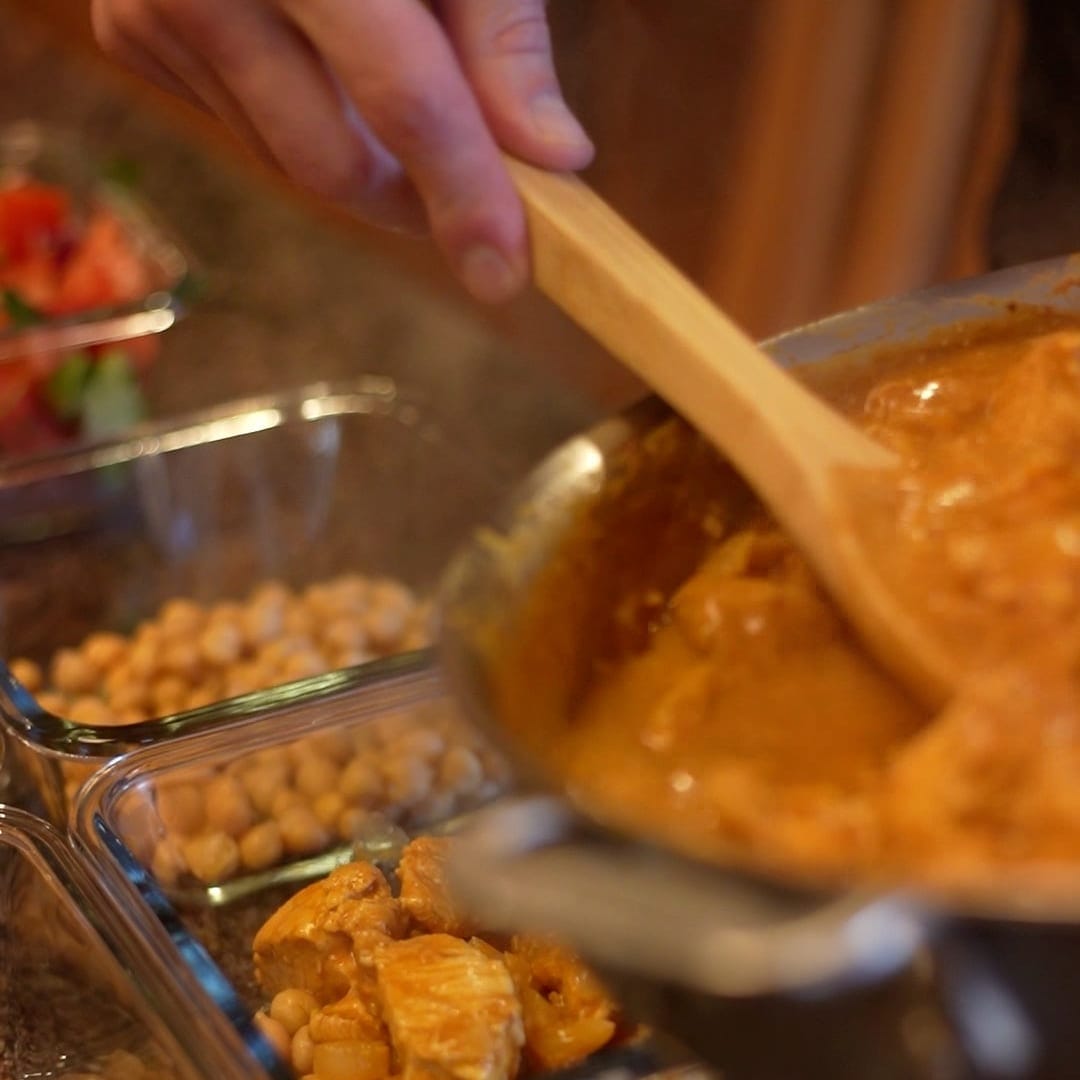
It rarely comes alone
Overweight, fatty liver, high cholesterol, high blood pressure and high blood sugar share the same roots: insulin resistance and excess fat around the abdomen and organs. That's why they tend to show up together, and why one well-built nutrition plan improves several at once.
Overweight & obesity
Lose fat, keep muscle, and keep the weight off.
Fatty liver (MASLD / NAFLD)
One of the most common liver conditions, and often reversible.
High cholesterol
Lower LDL with food, not just medication.
High blood pressure
Bring your numbers down with what you eat.
Metabolic syndrome
When several of these show up together.
Articles to read next
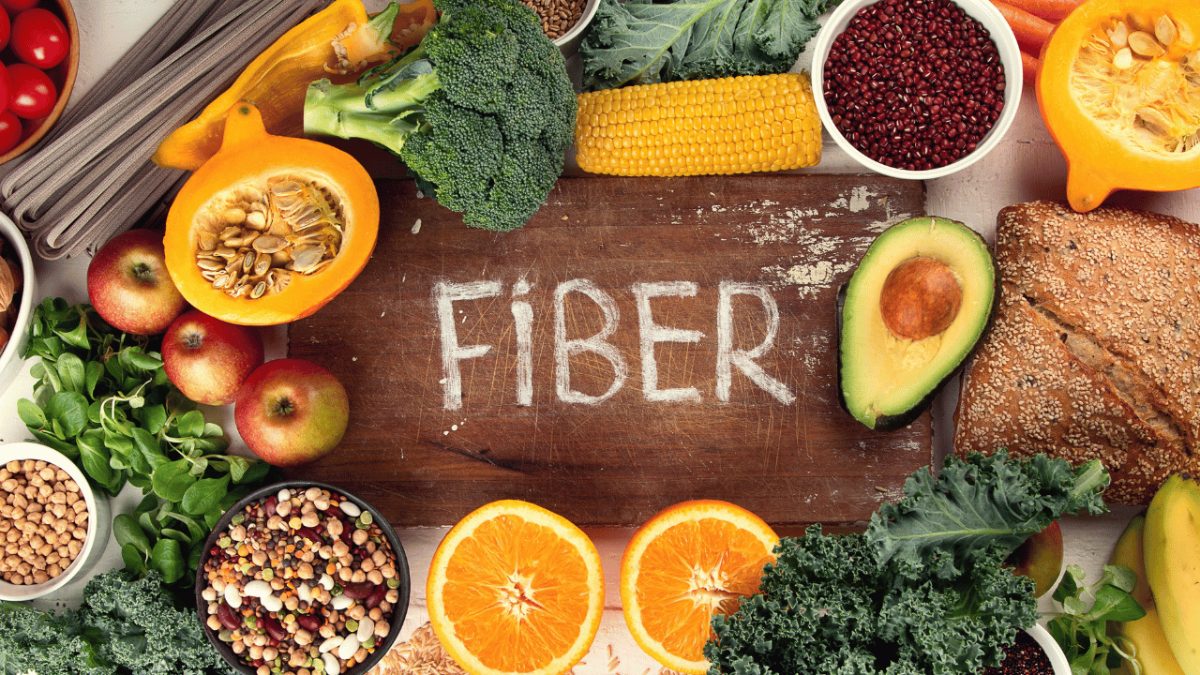
How Much Fiber Should I Eat?
Get the evidence-based answer to the question "how much fiber should I eat?" from a registered dietitian.
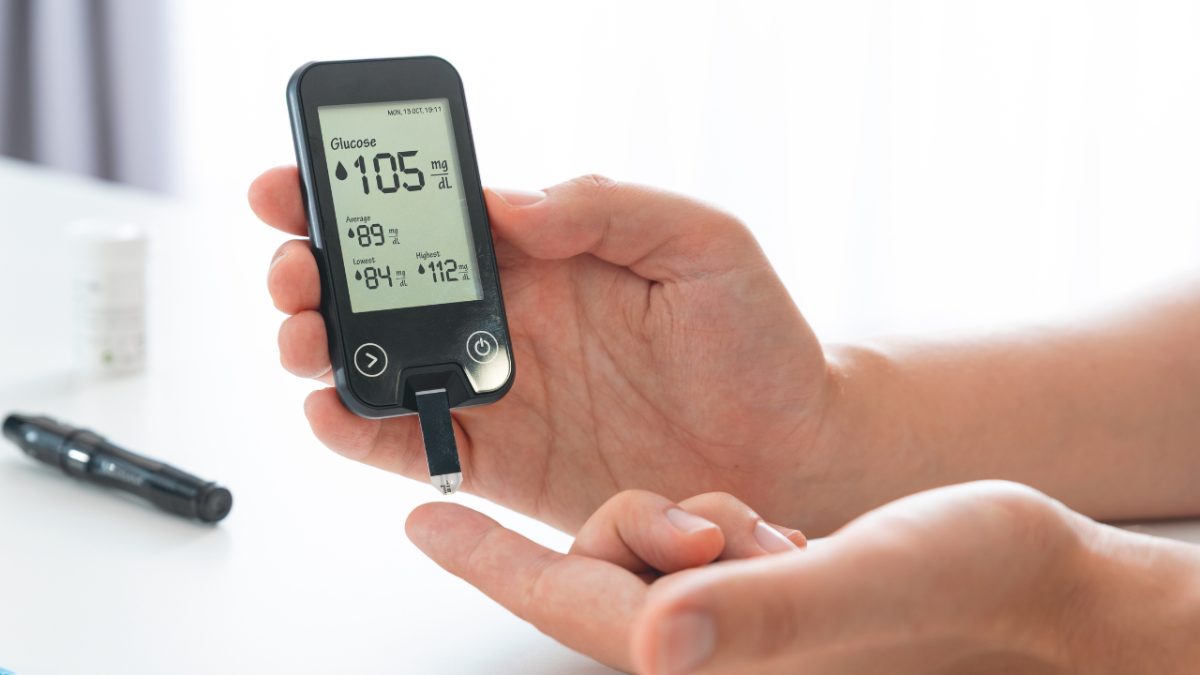
Does Sucralose Cause High Blood Sugar?
Does sucralose cause high blood sugar? Find out the evidence-based answer from a registered dietitian.

Is it Bad to Skip Breakfast?
Is it bad to skip breakfast? Find out the evidence-based truth from a registered dietitian.
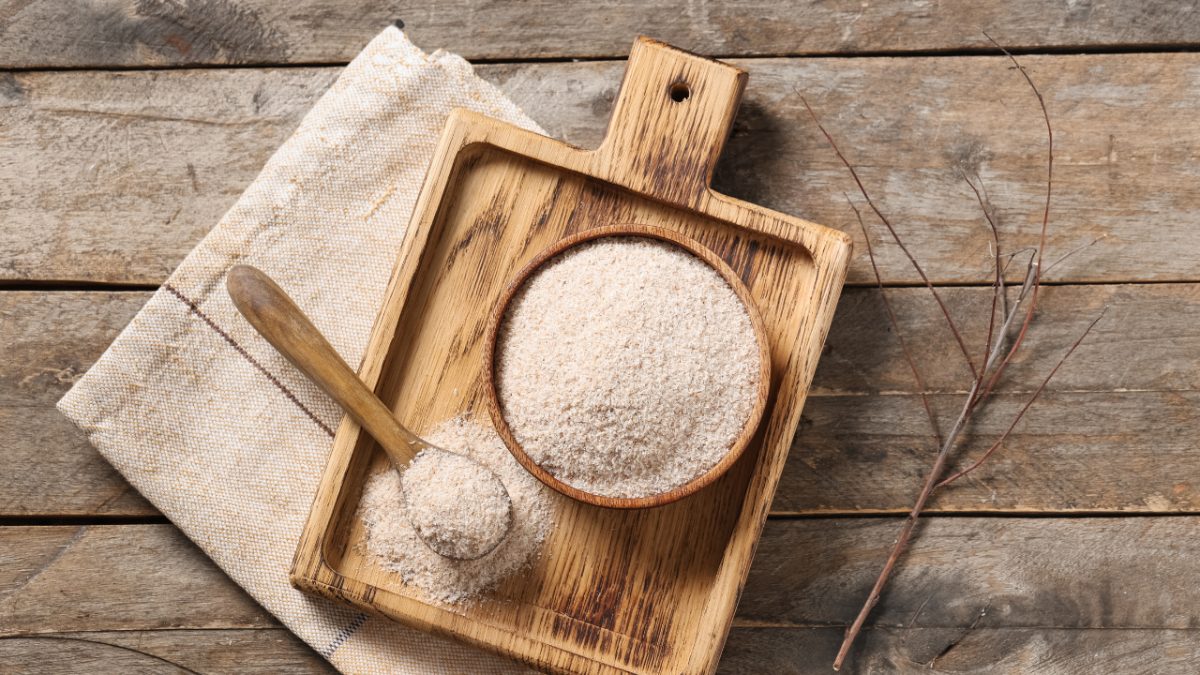
Psyllium Husk for Fat Loss
Learn from a registered dietitian how to use psyllium husk for fat loss: dosing, timing, effect sizes, and considerations.

How to Get Rid of Visceral Adipose Tissue (VAT)
Learn how to get rid of your visceral adipose tissue from a registered dietitian.

How to Track Nutrition
Learn how to track nutrition from a registered dietitian using 8 practical, evidence-based methods. Compare pros, cons, and find the best fit for your goals.
Common questions
What blood sugar level is prediabetes?
Prediabetes is a fasting blood sugar of 100–125 mg/dL, an A1C of 5.7–6.4%, or a 2-hour glucose tolerance test result of 140–199 mg/dL. Type 2 diabetes starts at a fasting glucose of 126, an A1C of 6.5% or a 2-hour result of 200, confirmed by your doctor.
Can prediabetes be reversed?
Often, yes. In the Diabetes Prevention Program, people with prediabetes who lost about 7% of their body weight and exercised 150 minutes a week cut their risk of developing type 2 diabetes by 58%, and many returned to normal blood sugar.
Can type 2 diabetes go into remission?
For some people, yes. Remission means an A1C under 6.5% at least 3 months after stopping all diabetes medication. In the DiRECT trial, 46% of people on a structured weight-loss program were in remission at 1 year, 36% at 2 years and about 1 in 10 at 5 years, mostly those who kept the weight off. Across 22 randomized trials, people who lost 10–19% of their body weight had roughly a 50% chance of remission at 1 year, versus about 5% with less than 10%.
Do I have to stop eating carbs?
No. Carbohydrate quality and amount both matter: fiber-rich carbs (vegetables, legumes, whole grains, fruit) and fewer sugary drinks and refined starches help most. Reducing total carbohydrate has the strongest evidence for lowering blood sugar, but the best pattern is one you can keep.
Does walking after meals lower blood sugar?
Yes. Even light walking for a few minutes after eating lowers the rise in blood sugar that follows a meal, compared with sitting.
Does the order I eat food in matter?
It can. In a small study of people with type 2 diabetes, eating vegetables and protein before carbohydrates produced a noticeably lower blood sugar rise than eating the same meal carbs-first.
A blood sugar course is coming
Short, practical lessons on lowering blood sugar and preventing or managing type 2 diabetes with food, from a registered dietitian. Join the list and you’ll hear first, with early access.
Want help now? One-to-one coaching builds a plan around your labs, your medications, your preferences and your life.
References
- American Diabetes Association Professional Practice Committee. 2. Diagnosis and classification of diabetes: Standards of Care in Diabetes—2025. Diabetes Care. 2025;48(Suppl 1).
- American Diabetes Association Professional Practice Committee. 5. Facilitating positive health behaviors and well-being to improve health outcomes: Standards of Care in Diabetes—2025. Diabetes Care. 2025;48(Suppl 1).
- Centers for Disease Control and Prevention. National Diabetes Statistics Report. 2024.
- Knowler WC, et al. Reduction in the incidence of type 2 diabetes with lifestyle intervention or metformin (Diabetes Prevention Program). N Engl J Med. 2002;346(6):393-403.
- Lean MEJ, et al. Primary care-led weight management for remission of type 2 diabetes (DiRECT): an open-label, cluster-randomised trial. Lancet. 2018;391(10120):541-551.
- Lean MEJ, et al. Durability of a primary care-led weight-management intervention for remission of type 2 diabetes: 2-year results of the DiRECT open-label, cluster-randomised trial. Lancet Diabetes Endocrinol. 2019;7(5):344-355.
- Lean MEJ, et al. 5-year follow-up of the randomised Diabetes Remission Clinical Trial (DiRECT) of continued support for weight loss maintenance in the UK: an extension study. Lancet Diabetes Endocrinol. 2024;12(4):233-246.
- Kanbour S, et al. Impact of bodyweight loss on type 2 diabetes remission: a systematic review and meta-regression analysis of randomised controlled trials. Lancet Diabetes Endocrinol. 2025;13(4):294-306.
- Riddle MC, et al. Consensus report: definition and interpretation of remission in type 2 diabetes. Diabetes Care. 2021;44(10):2438-2444.
- Valabhji J, et al. Early findings from the NHS Type 2 Diabetes Path to Remission Programme: a prospective evaluation of real-world implementation. Lancet Diabetes Endocrinol. 2024;12(9):653-663.
- Reynolds A, et al. Carbohydrate quality and human health: a series of systematic reviews and meta-analyses. Lancet. 2019;393(10170):434-445.
- Buffey AJ, et al. The acute effects of interrupting prolonged sitting time in adults with standing and light-intensity walking on biomarkers of cardiometabolic health: a systematic review and meta-analysis. Sports Med. 2022;52(8):1765-1787.
- Shukla AP, et al. Food order has a significant impact on postprandial glucose and insulin levels. Diabetes Care. 2015;38(7):e98-e99.
Educational information, not individual medical advice. See the medical disclaimer, and talk with your doctor before making major changes, especially if you take medication for this condition.