
Fatty liver disease: what it is, and how nutrition can reverse it
The short answer
- Fatty liver (MASLD, formerly NAFLD) is excess fat in the liver, driven mainly by insulin resistance and excess body weight. It affects roughly 3 in 10 adults worldwide.
- It’s often reversible. Losing about 5% of body weight reduces liver fat; 7–10% can improve inflammation and scarring.
- What you eat matters directly: less saturated fat and added sugar, more fiber, whole foods and unsaturated fats.
- Sleep, stress and movement amplify (or undermine) the results.
What is fatty liver disease?
In 2023 the condition long known as non-alcoholic fatty liver disease (NAFLD) was renamed metabolic dysfunction-associated steatotic liver disease (MASLD). The new name puts the cause where it belongs: metabolism. Fat builds up in the liver alongside insulin resistance, excess weight, type 2 diabetes and unhealthy cholesterol levels, and left alone it can progress to inflammation, fibrosis (scarring) and cirrhosis.
The good news is that the liver is remarkably responsive. Because MASLD is driven by metabolism, it’s one of the conditions nutrition can treat most directly.
Can fatty liver be reversed?
For most people, the most powerful tool is modest, sustainable weight loss. Losing just 5% of body weight measurably reduces liver fat, and 7–10% can improve inflammation and fibrosis. Crash diets aren’t the answer: a moderate, steady calorie deficit you can live with is what changes the liver over time. See weight loss that lasts for how to lose fat without losing muscle.
What to eat for fatty liver
- Cut back on saturated fat: fatty cuts of red meat, butter, full-fat dairy and processed meats. In feeding studies, saturated fat raised liver fat more than unsaturated fat or sugar.
- Get more fiber, 25–38 g a day, from vegetables, fruit, legumes, whole grains, nuts and seeds.
- Limit added sugar, especially sugar-sweetened drinks.
- Choose unsaturated fats: olive oil, avocado, nuts and fatty fish.
- Keep protein adequate so the weight you lose is fat, not muscle.
The full, referenced version is in Nutrition for Fatty Liver (NAFLD & MASLD).
Beyond food
Poor sleep and chronic stress raise insulin resistance and inflammation, the same forces that push fat into the liver. Seven to nine hours of sleep, regular movement and a plan for stress make every nutrition change work harder.
It rarely comes alone
Overweight, fatty liver, high cholesterol, high blood pressure and high blood sugar share the same roots: insulin resistance and excess fat around the abdomen and organs. That's why they tend to show up together, and why one well-built nutrition plan improves several at once.
Overweight & obesity
Lose fat, keep muscle, and keep the weight off.
High cholesterol
Lower LDL with food, not just medication.
High blood pressure
Bring your numbers down with what you eat.
High blood sugar & type 2 diabetes
Prediabetes and type 2 diabetes respond to nutrition.
Metabolic syndrome
When several of these show up together.
Articles to read next
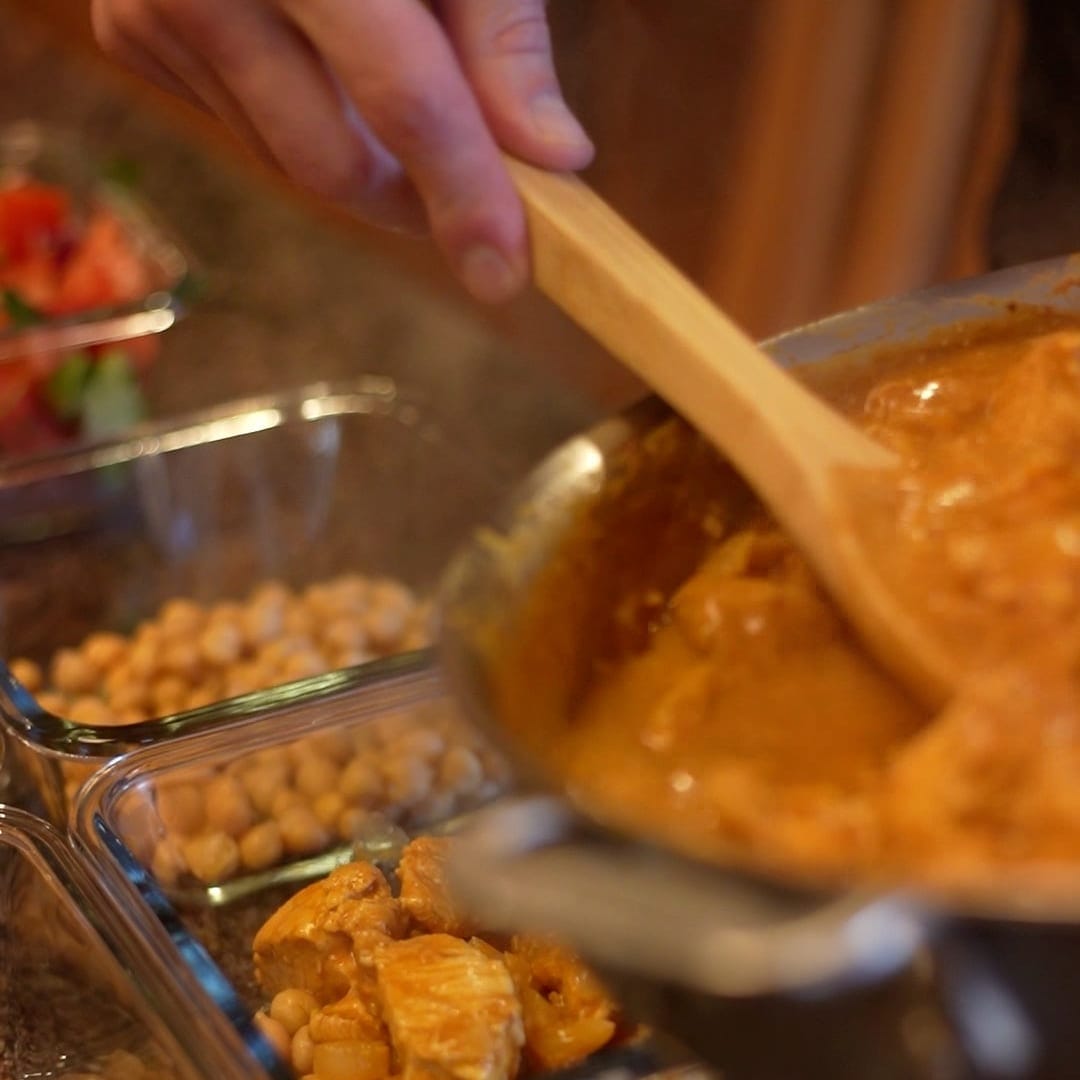
Nutrition for Fatty Liver (NAFLD & MASLD)
Learn 4 evidence-based nutrition strategies to reverse fatty liver disease (MASLD). Expert guidance from a registered dietitian on sustainable diet changes that work.
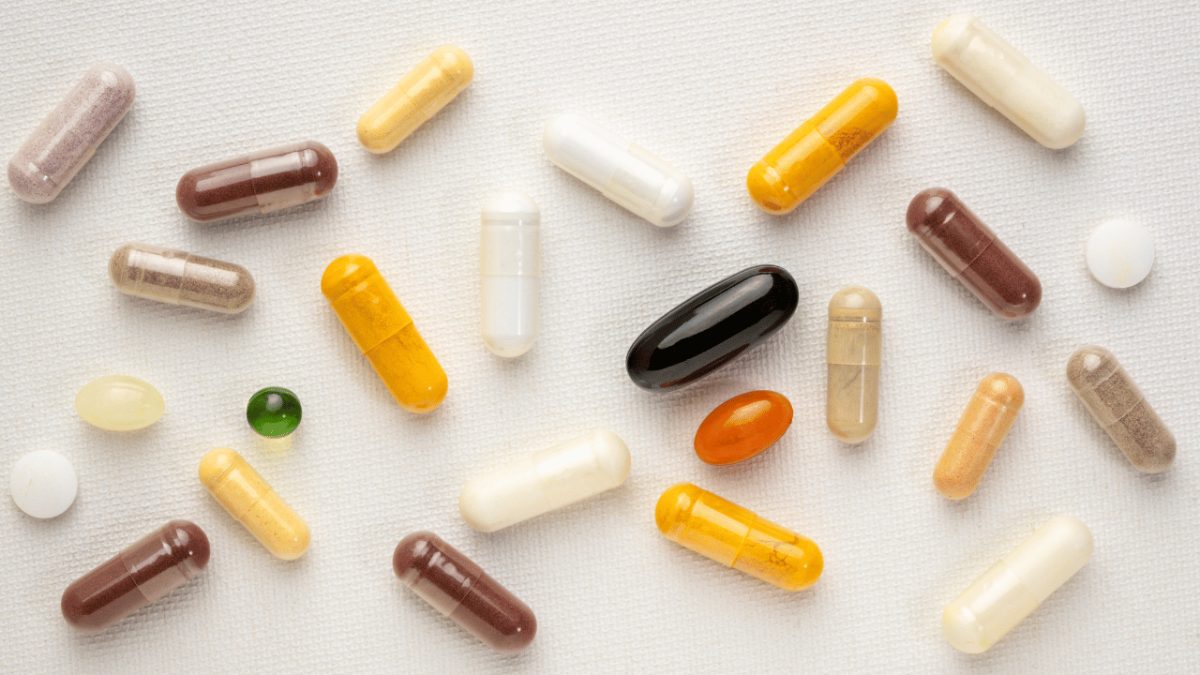
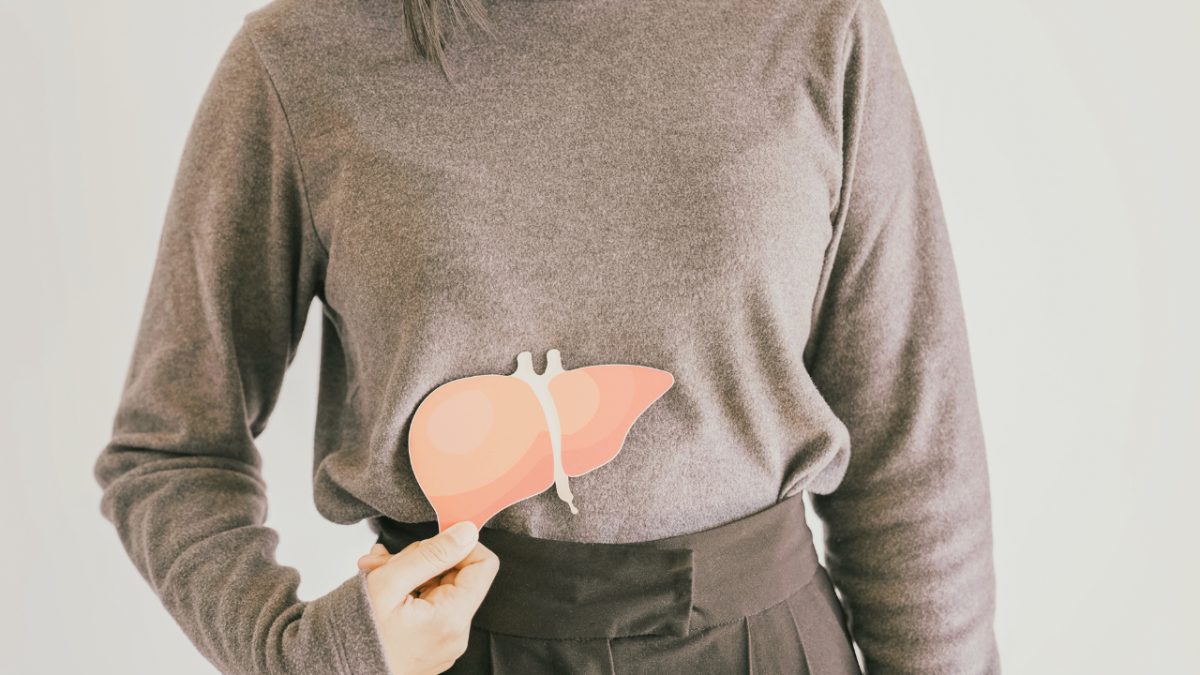
Which Supplements Help Fatty Liver?
Find out which supplements can help with fatty liver from a registered dietitian.
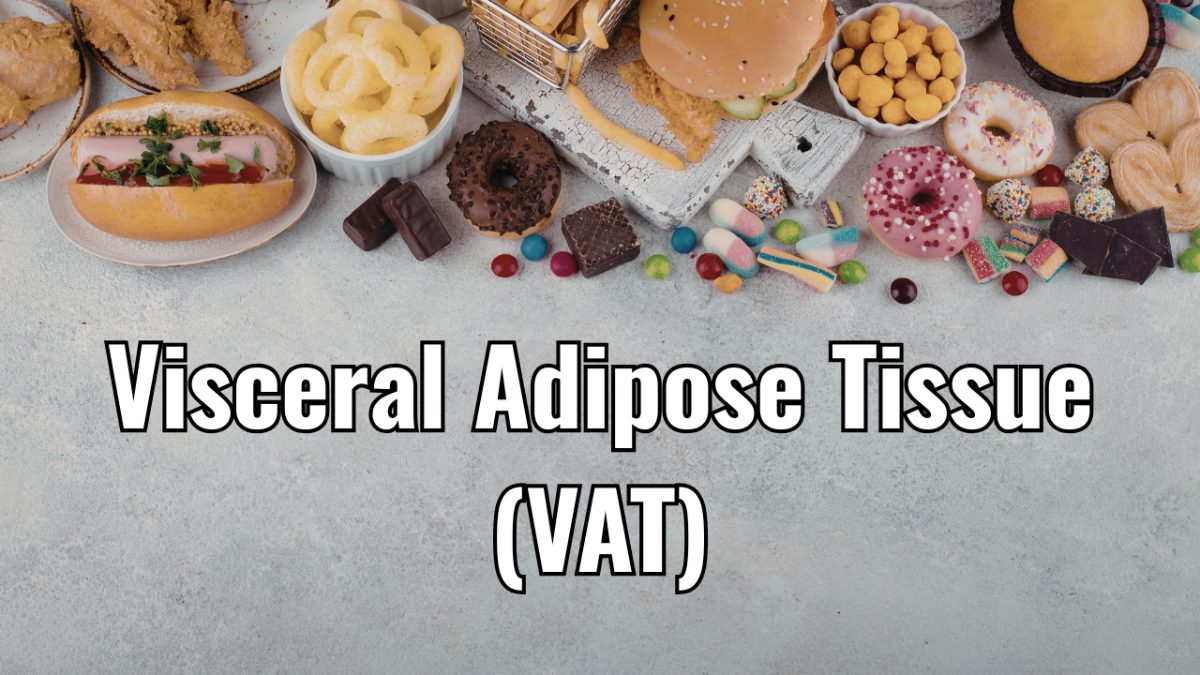
How to Get Rid of Visceral Adipose Tissue (VAT)
Learn how to get rid of your visceral adipose tissue from a registered dietitian.
How to Lower LDL Cholesterol With Nutrition
Learn from a registered dietitian how to lower your LDL cholesterol with these evidence-based nutrition changes.
How Much Fiber Should I Eat?
Get the evidence-based answer to the question "how much fiber should I eat?" from a registered dietitian.

How Fast Can I Lose Fat?
A registered dietitian gives you the evidence-based answer to the question "How Fast Can I Lose Fat?".
How Much Protein Should I Eat During Weight Loss
Learn how much protein you actually need during weight loss from a registered dietitian.

What is a DXA Scan?
Learn what a DXA scan is from a registered dietitian, including what it measures, how accurate it is, and why it can help track body composition and health.
Common questions
What is MASLD?
MASLD (metabolic dysfunction-associated steatotic liver disease) is the current name for what was called non-alcoholic fatty liver disease, or NAFLD. It means excess fat has built up in the liver of someone who drinks little or no alcohol, and it is closely tied to insulin resistance, excess body weight, type 2 diabetes and high cholesterol.
Can fatty liver be reversed?
In many cases, yes. Fatty liver responds well to nutrition and lifestyle changes. Research shows that losing about 5% of body weight can reduce liver fat, and losing 7–10% can improve liver inflammation and fibrosis.
How much weight do I need to lose to improve fatty liver?
Studies show liver fat starts to fall with around 5% weight loss (10 lb for someone who weighs 200 lb), with larger benefits, including less inflammation, at 7–10%. Slow, sustainable loss is better than a crash diet.
What foods are best for fatty liver?
A pattern built around vegetables, fruit, whole grains, legumes, nuts, olive oil, fish and lean proteins, with plenty of fiber (25–38 g a day), and less saturated fat (fatty red meat, butter, full-fat dairy), added sugar and highly processed foods.
Do supplements help fatty liver?
Some show promise, including vitamin E, omega-3 fatty acids and certain probiotics, but none replace diet and lifestyle changes, and some aren’t right for everyone. Talk with your healthcare provider before starting one.
Does sleep matter for fatty liver?
Yes. Poor sleep and chronic stress worsen insulin resistance and inflammation, both of which drive fat into the liver. Aim for 7–9 hours of quality sleep alongside nutrition changes.
A fatty liver course is coming
Short lessons on exactly what to eat and change, from a registered dietitian. Join the list and you’ll hear first, with early access.
Want help now? One-to-one coaching builds a plan around your labs, your medications, your preferences and your life.
References
- Rinella ME, et al. A multisociety Delphi consensus statement on new fatty liver disease nomenclature. Hepatology. 2023;78(6):1966-1986.
- Younossi ZM, et al. The global epidemiology of nonalcoholic fatty liver disease (NAFLD) and nonalcoholic steatohepatitis (NASH): a systematic review. Hepatology. 2023;77(4):1335-1347.
- Vilar-Gomez E, et al. Weight loss through lifestyle modification significantly reduces features of nonalcoholic steatohepatitis. Gastroenterology. 2015;149(2):367-378.
- Rosqvist F, et al. Overfeeding polyunsaturated and saturated fat causes distinct effects on liver and visceral fat accumulation in humans. Diabetes. 2014;63(7):2356-2368.
- Luukkonen PK, et al. Saturated fat is more metabolically harmful for the human liver than unsaturated fat or simple sugars. Diabetes Care. 2018;41(8):1732-1739.
Educational information, not individual medical advice. See the medical disclaimer, and talk with your doctor before making major changes, especially if you take medication for this condition.