
How Much Fiber Should I Eat?
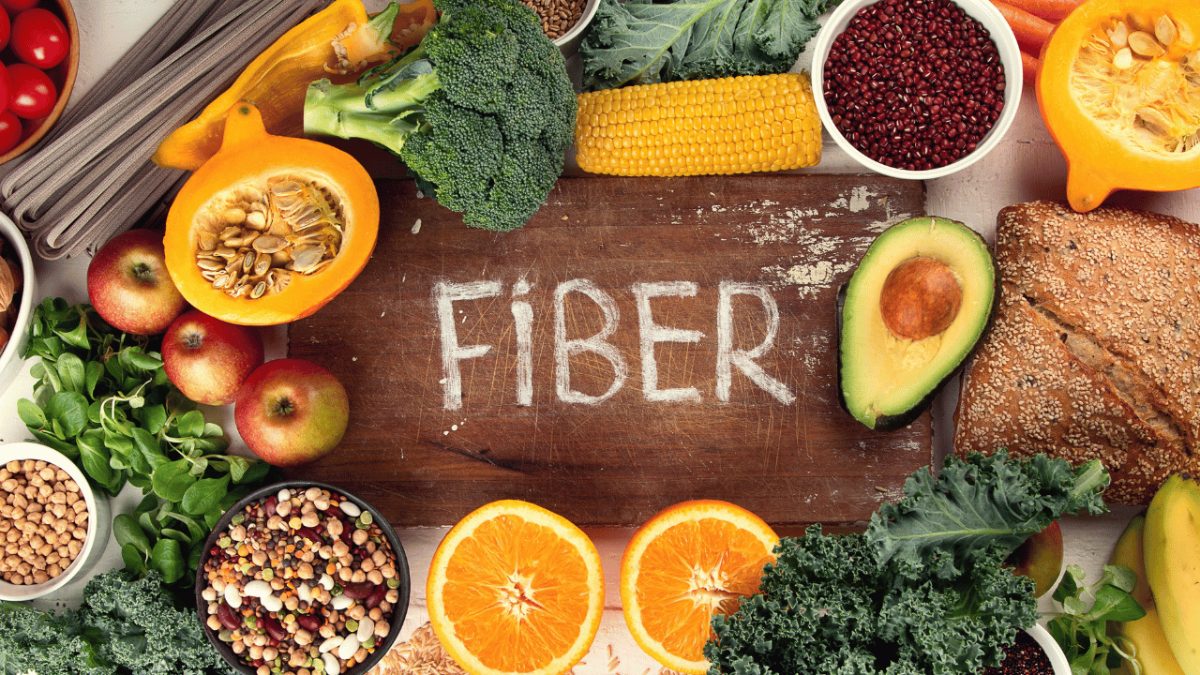
Fiber is a type of carbohydrate found in plant foods that the body cannot digest or absorb. Instead, it passes relatively intact through the digestive system, playing a critical role in maintaining health. Despite its importance, the average American consumes only about 15 grams of fiber per day—far below the recommended 25–38 grams for adults (USDA, 2020). While often overlooked, eating a high fiber diet can have a variety of health benefits.
Why Eat a High-Fiber Diet?
- Decreased Cardiovascular Disease (CVD) Risk High fiber intake is linked to a lower risk of heart disease. According to Dr. Walter Willett of Harvard, “A diet rich in fiber from whole grains, fruits, and vegetables is consistently associated with reduced risk of cardiovascular disease” (Willett, 2013).
- Improved Satiety and Weight Management Fiber increases feelings of fullness after meals, which can help with weight control. Studies show that higher fiber diets lead to lower overall calorie intake (Slavin, 2013). Additionally, certain types of viscous fibers are used in a supplemental fashion to reduce appetite and aid in weight loss (see my previous blog article “Top 3 Weight Loss Supplements”).
- Lower Cholesterol Soluble fiber helps decrease LDL cholesterol, supporting metabolic health (Anderson et al., 2009). For more specific details on how fiber can improve cholesterol, see my previous blog article “How to Lower LDL Cholesterol with Nutrition.”
- Blood Sugar Control
Fiber—especially soluble fiber—slows the absorption of carbohydrates, resulting in a more gradual rise in blood glucose after eating. This helps regulate blood sugar levels and can improve glycemic control, particularly for individuals with diabetes or insulin resistance. As Dr. Joanne Slavin notes, “Dietary fiber, particularly from whole grains and legumes, has a beneficial effect on postprandial blood glucose and insulin response” (Slavin, 2013).
Can Too Much Fiber Be Harmful?
For most people, high fiber diets are safe. However, consuming excessive fiber—especially from supplements—can cause bloating, gas, or interfere with absorption of certain minerals. Individuals with digestive disorders (such as Crohn’s disease or ulcerative colitis) may need to moderate intake during flares. Individuals with IBS may need to pay closer attention to the high fiber foods they eat, not necessarily always due to the fiber itself, but often due to the association with FODMAPs (highly fermentable carbohydrates – a discussion for another time).
Rather than increasing your fiber drastically overnight, it is generally recommended to gradually increase fiber intake per your tolerance. Alongside an increase in fiber, it is generally advisable to increase your fluid intake— lest you get stopped up. There does not appear to be any substantial evidence that fiber causes long-term harm in healthy individuals (Dahl & Stewart, 2015).
Three Easy Ways to Increase Fiber Intake
- Add leafy greens to salads, sandwiches, and smoothies.
- Use canned legumes like beans or lentils, in soups, stews, and salads.
- Include fresh or frozen berries with breakfast or snacks.
For more on building a sustainable nutrition plan, see our post: Sustainable Weight Loss – Redesigning Your Lifestyle.
All the best,
Kevin Rogers, RDN, LD
Founder | Redesign Nutrition
References
Anderson, J. W., Baird, P., Davis, R. H. Jr., Ferreri, S., Knudtson, M., Koraym, A., Waters, V., & Williams, C. L. (2009). Health benefits of dietary fiber. Nutrition Reviews, 67(4), 188–205. https://doi.org/10.1111/j.1753-4887.2009.00189.x
Dahl, W. J., & Stewart, M. L. (2015). Position of the Academy of Nutrition and Dietetics: Health implications of dietary fiber. Journal of the Academy of Nutrition and Dietetics, 115(11), 1861–1870. https://doi.org/10.1016/j.jand.2015.09.003
Slavin, J. L. (2013). Fiber and prebiotics: Mechanisms and health benefits. Nutrients, 5(4), 1417–1435. https://doi.org/10.3390/nu5041417
United States Department of Agriculture. (2020). Dietary guidelines for Americans, 2020–2025. https://www.dietaryguidelines.gov/
Willett, W. C. (2013). Eat, drink, and be healthy: The Harvard Medical School guide to healthy eating (2nd ed.). Free Press.
Frequently asked questions
How much fiber should I eat per day?
The recommendation for adults is 25–38 g a day. Most Americans get only about 15 g.
What are the benefits of a high-fiber diet?
Lower cardiovascular disease risk, more fullness after meals, lower LDL cholesterol (from soluble fiber) and a more gradual rise in blood sugar after eating.
Can you eat too much fiber?
For most people, high-fiber diets are safe. Very large amounts, especially from supplements, can cause bloating and gas or interfere with mineral absorption. People with IBS or IBD flares may need to adjust.
How do I increase fiber without bloating?
Increase it gradually to your tolerance and drink more fluids at the same time.
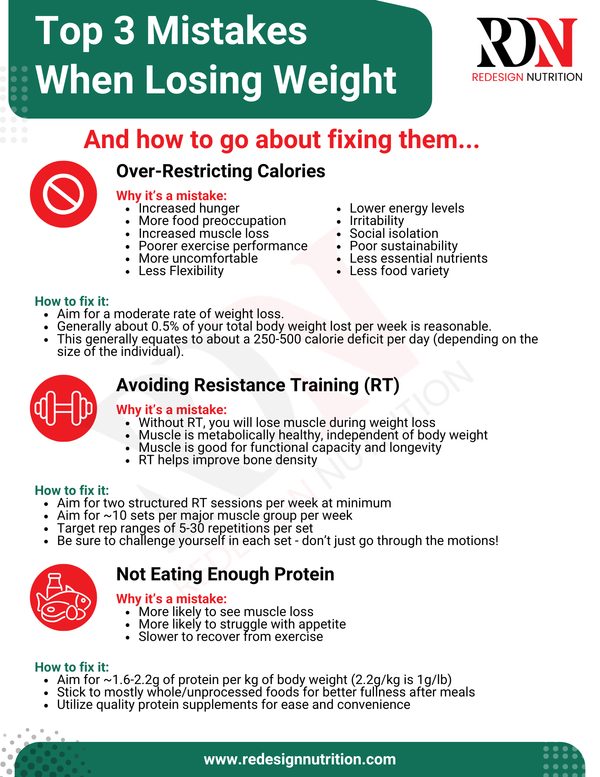
Top 3 Mistakes When Losing Weight
The three mistakes that quietly stall most fat loss, and exactly how to fix each one.
Instant download. You'll also get occasional nutrition tips; unsubscribe anytime. Privacy
Educational content written by a registered dietitian, not individual medical advice. See the medical disclaimer.