
High blood pressure: what the numbers mean, and how to lower them with food
The short answer
- 130/80 or higher is high blood pressure. It usually has no symptoms, so the only way to know is to measure it.
- Food works about as well as a first medication: the DASH eating pattern plus lower sodium lowered systolic pressure by about 11.5 mmHg in people with hypertension.
- Sodium down, potassium up: 1,500–2,300 mg of sodium a day, mostly by cutting packaged and restaurant food, and more vegetables, fruit, beans and yogurt.
- Weight and alcohol matter too: about 1 mmHg lower for every kilogram lost, and less alcohol lowers it further.
What is high blood pressure?
Blood pressure is the force of blood against your artery walls. When it stays high (hypertension), it strains the heart, damages arteries and kidneys, and raises the risk of heart attack, stroke and kidney disease. Under the current US definition, nearly half of American adults have it, and many don’t know, because it rarely causes symptoms.
What the numbers mean
| Category | Top number (systolic) | Bottom number (diastolic) | |
|---|---|---|---|
| Normal | Under 120 | and | Under 80 |
| Elevated | 120–129 | and | Under 80 |
| Stage 1 hypertension | 130–139 | or | 80–89 |
| Stage 2 hypertension | 140 or higher | or | 90 or higher |
Seek care right away if a reading is above 180/120, and call 911 if it comes with chest pain, shortness of breath, back pain, numbness or weakness, vision changes or trouble speaking.
One reading isn’t a diagnosis. Blood pressure varies through the day, so home readings, taken seated after a few minutes’ rest and logged over a week or two, give you and your doctor a much better picture.
How to lower blood pressure with nutrition
1. Eat the DASH way
DASH (Dietary Approaches to Stop Hypertension) is built on vegetables, fruit, whole grains, legumes, nuts and low-fat dairy, with less red and processed meat, sweets and sugary drinks. In the original trial it lowered blood pressure by 11.4/5.5 mmHg in people with hypertension within weeks, without any weight loss or sodium restriction.
2. Cut sodium where it actually comes from
Reducing sodium lowers blood pressure, with bigger drops in people who have hypertension. Aim for 1,500–2,300 mg a day (the American Heart Association recommends 1,500 mg or less if you have high blood pressure). Over 70% of sodium comes from packaged, processed and restaurant food, so the biggest wins are cooking at home more, comparing labels, rinsing canned foods and getting sauces on the side. Combining DASH with lower sodium worked better than either alone. More in How Much Sodium Should I Eat?
3. Eat more potassium-rich foods
Potassium helps the body excrete sodium and relaxes blood vessels; higher intake lowers systolic pressure by roughly 3–5 mmHg, more in people with hypertension. Good sources: leafy greens, potatoes, beans and lentils, bananas, oranges, tomatoes, yogurt and milk.
If you have kidney disease, or take an ACE inhibitor, ARB or potassium-sparing diuretic, check with your doctor before increasing potassium or using a potassium-based salt substitute.
4. Lose excess weight
Systolic pressure falls by about 1 mmHg for every kilogram (2.2 lb) lost, so 10 kg (22 lb) can mean around 10 mmHg. See weight loss that lasts.
5. Limit alcohol
In people who drink more than two drinks a day, cutting intake by about half lowered systolic pressure by around 5.5 mmHg.
Beyond food
Regular aerobic exercise, resistance training, good sleep and not smoking all lower blood pressure or protect the arteries. The effects add up, which is why lifestyle change is the first-line treatment for most people with stage 1 hypertension.
If you take blood pressure medication, keep taking it as prescribed. As your numbers improve, your doctor may lower the dose. Never stop or change it on your own.
It rarely comes alone
Overweight, fatty liver, high cholesterol, high blood pressure and high blood sugar share the same roots: insulin resistance and excess fat around the abdomen and organs. That's why they tend to show up together, and why one well-built nutrition plan improves several at once.
Overweight & obesity
Lose fat, keep muscle, and keep the weight off.
Fatty liver (MASLD / NAFLD)
One of the most common liver conditions, and often reversible.
High cholesterol
Lower LDL with food, not just medication.
High blood sugar & type 2 diabetes
Prediabetes and type 2 diabetes respond to nutrition.
Metabolic syndrome
When several of these show up together.
Articles to read next
How Much Sodium Should I Eat?
Learn how much sodium you should eat per day from a registered dietitian. Understand sodium needs, health risks, and when higher or lower intake may make sense.
How to Eat at Restaurants
Learn how to eat at restaurants by a registered dietitian.

Are Packaged Foods Healthy?
An evidence-based take by a registered dietitian - are packaged foods healthy?
Are Canned Foods Healthy?
Are canned foods healthy - explained by a registered dietitian.
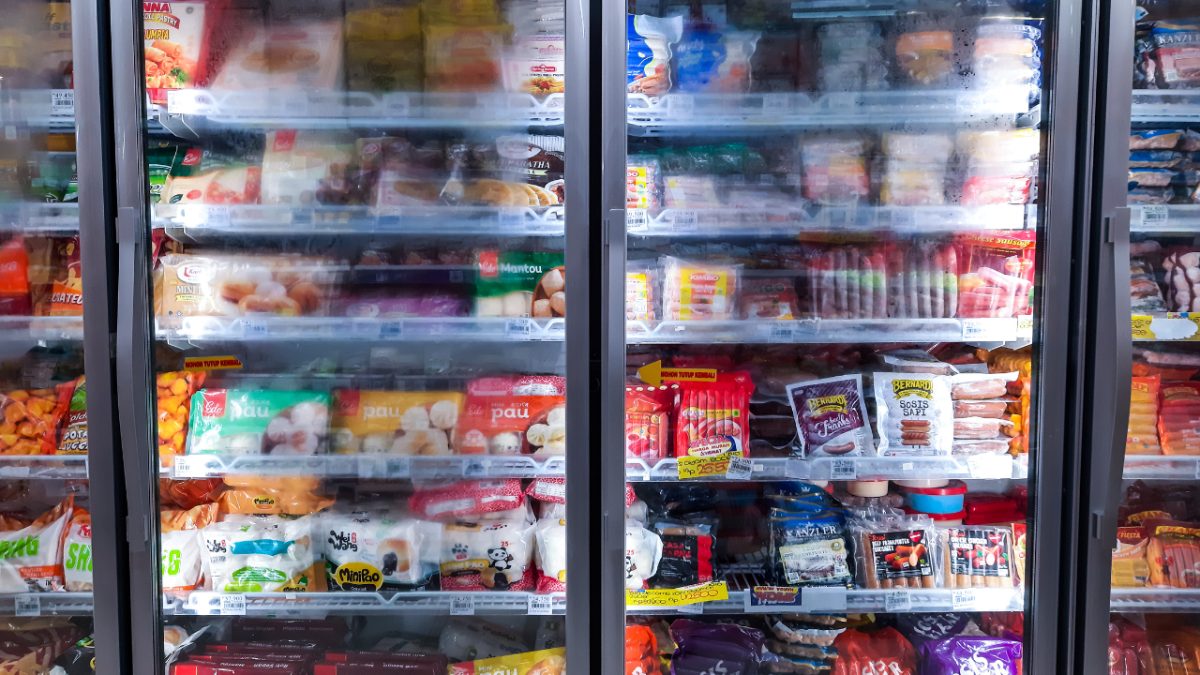
Are Frozen Foods Healthy?
Evidence-based take from a registered dietitian - are frozen foods healthy?

Nutrition Architecture
Learn nutrition architecture from a registered dietitian and how to build a diet that is realistic, sustainable, and effective for health, fat loss, and performance.
Common questions
What is considered high blood pressure?
Under the 2017 American College of Cardiology / American Heart Association guideline, 130/80 mmHg or higher is high blood pressure (stage 1), and 140/90 or higher is stage 2. Under 120/80 is normal, and 120–129 with a bottom number under 80 is "elevated".
Can you lower blood pressure with diet?
Yes. In the DASH-Sodium trial, the DASH eating pattern combined with lower sodium lowered systolic blood pressure by about 9 mmHg overall and about 11.5 mmHg in people with hypertension, which is comparable to a blood pressure medication. Weight loss, less alcohol and regular exercise lower it further.
What is the DASH diet?
DASH (Dietary Approaches to Stop Hypertension) is an eating pattern rich in vegetables, fruit, whole grains, legumes, nuts and low-fat dairy, with less red and processed meat, sweets and sugary drinks. It is high in potassium, magnesium, calcium and fiber.
How much sodium should I eat if I have high blood pressure?
The American Heart Association recommends 1,500 mg a day or less for people with high blood pressure. Most of the sodium Americans eat (over 70%) comes from packaged, processed and restaurant food, not the salt shaker.
How much does weight loss lower blood pressure?
On average, about 1 mmHg of systolic blood pressure for every kilogram (2.2 lb) lost. Losing 10 kg (22 lb) can lower it by around 10 mmHg.
Should I eat more potassium?
For most people, more potassium from food (vegetables, fruit, beans, yogurt, potatoes) helps lower blood pressure. If you have kidney disease or take medications that raise potassium, such as ACE inhibitors, ARBs or potassium-sparing diuretics, ask your doctor first, and don’t use potassium salt substitutes without their OK.
A blood pressure course is coming
Short, practical lessons on lowering blood pressure with food, from a registered dietitian. Join the list and you’ll hear first, with early access.
Want help now? One-to-one coaching builds a plan around your labs, your medications, your preferences and your life.
References
- Whelton PK, et al. 2017 ACC/AHA/AAPA/ABC/ACPM/AGS/APhA/ASH/ASPC/NMA/PCNA guideline for the prevention, detection, evaluation, and management of high blood pressure in adults. Hypertension. 2018;71(6):e13-e115.
- Appel LJ, et al. A clinical trial of the effects of dietary patterns on blood pressure (DASH). N Engl J Med. 1997;336(16):1117-1124.
- Sacks FM, et al. Effects on blood pressure of reduced dietary sodium and the Dietary Approaches to Stop Hypertension (DASH) diet. N Engl J Med. 2001;344(1):3-10.
- Huang L, et al. Effect of dose and duration of reduction in dietary sodium on blood pressure levels: systematic review and meta-analysis of randomised trials. BMJ. 2020;368:m315.
- Aburto NJ, et al. Effect of increased potassium intake on cardiovascular risk factors and disease: systematic review and meta-analyses. BMJ. 2013;346:f1378.
- Neter JE, et al. Influence of weight reduction on blood pressure: a meta-analysis of randomized controlled trials. Hypertension. 2003;42(5):878-884.
- Roerecke M, et al. The effect of a reduction in alcohol consumption on blood pressure: a systematic review and meta-analysis. Lancet Public Health. 2017;2(2):e108-e120.
- Harnack LJ, et al. Sources of sodium in US adults from 3 geographic regions. Circulation. 2017;135(19):1775-1783.
Educational information, not individual medical advice. See the medical disclaimer, and talk with your doctor before making major changes, especially if you take medication for this condition.